
Learn French Vocabulary for How Wine Is Made
Winemaking in France is both a science and an art — shaped by centuries of tradition, family know-how, and a deep respect for le terroir.
Whether you’re curious about la vendange (the grape harvest) or fascinated by la fermentation, learning these words helps you follow vineyard tours, read wine guides, and appreciate the vocabulary that underpins French viticulture.
This lesson introduces the main terms used to describe how wine is made — from grape to glass.
The Life of a French Wine
In every bottle of French wine, there’s a story of transformation — one that begins in le sol and ends in le verre à vin.
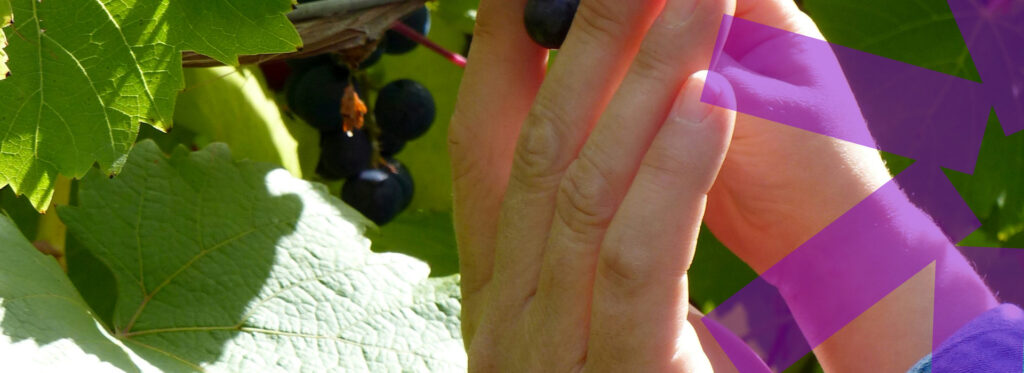
First comes la vendange, the harvest. Grapes are hand-picked or machine-harvested depending on the region and tradition. Once collected, they’re pressed, and le jus de raisin begins to ferment.
During la fermentation, la levure (yeast) transforms le sucre in the grapes into l’alcool and le dioxyde de carbone. This process can take days or weeks, and the temperature must be carefully controlled.
After fermentation, the wine is clarified — a step called la clarification — before being aged in barrels or tanks to develop flavour. The winemaker monitors le rendement (yield) and quality throughout.
Finally, the wine is bottled and often tasted on-site during la dégustation de vin — the best part of the process!
Describing the Winemaking Process
Choose an ending to build a complete sentence.
Useful Phrases
| English | French |
|---|---|
| The harvest takes place in September. | La vendange a lieu en septembre. |
| The fermentation lasts about two weeks. | La fermentation dure environ deux semaines. |
| The wine is aged in oak barrels. | Le vin est vieilli en fûts de chêne. |
| The soil here is very rich. | Le sol ici est très riche. |
| The yield was excellent this year. | Le rendement a été excellent cette année. |
| This wine has finished fermenting. | Ce vin a terminé sa fermentation. |
Grammar Tips
Use of “de” after quantities and processes
- fait à partir de raisins → made from grapes
- composé de sucre et d’alcool → composed of sugar and alcohol
Verbs for Process
- produire (to produce): Ce domaine produit un vin blanc sec.
- transformer (to transform): La levure transforme le sucre en alcool.
- vieillir (to age): Le vin vieillit dans la cave.
Tenses for Description
Use présent for general processes, passé composé for describing a specific harvest:
- Le vin fermente pendant dix jours. (It ferments for ten days.)
- La vendange a commencé hier. (The harvest started yesterday.)
The Rhythm of the Vineyard Year
Families, students and visitors may help pick grapes under the autumn sun. Meals are shared, songs are sung and the day often ends with a celebration.
Provence
In Provence, grapes used for fresh rosé wines are often picked comparatively early so that they retain freshness and acidity.
Alsace and the Loire Valley
Some grapes for crisp white and sparkling wines are harvested early to preserve their acidity and fresh flavours.
Bordeaux
In Bordeaux, the harvest may continue from September into October as different red grape varieties reach maturity.
Some wineries welcome visitors during this period, offering a memorable glimpse of working life in rural France.
Harvest dates vary each year according to the weather, grape variety, region and style of wine being produced.
Château de Bellevue
Bordeaux
Domaine des Collines
Alsace
Domaine du Soleil
Provence