
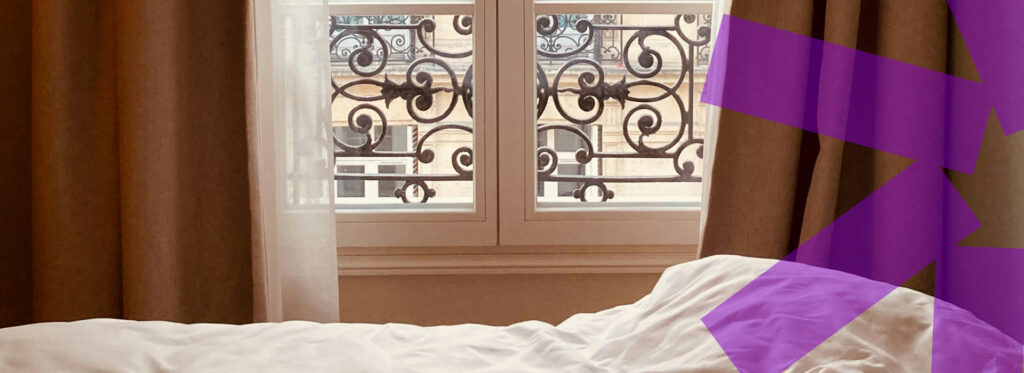
French Hotels: Culture, Vocabulary, and What to Expect
Hotels in France are as diverse as the country itself — from elegant hôtels de luxe overlooking Parisian boulevards to cosy auberges familiales nestled in quiet villages.
For travellers learning French, understanding the language of hotels isn’t just useful — it opens a window into l’art de recevoir, the French art of hospitality.
A Tradition of Hospitality
France has a long tradition of welcoming travellers, and the hotel industry reflects that heritage.
In large cities, you’ll find grand historic buildings — les hôtels particuliers — once family mansions, now turned into luxury accommodations. In rural areas, auberges and hôtels de charme offer a more personal touch, where guests might share breakfast with the owners or receive local restaurant recommendations.
Even small, family-run hotels often take pride in their individuality. Décor, cuisine, and service vary from region to region — un hôtel provençal might be decorated with lavender and stone walls, while un hôtel breton could feature maritime details and serve fresh crêpes for breakfast.
The French Star System
French hotels are classified by stars, from one to five, following an official national rating system.
- ⭐ 1–2 stars: Basic comfort (confort simple) and clean facilities.
- ⭐⭐⭐ 3 stars: Standard comfort (bon confort) with ensuite bathrooms and breakfast service.
- ⭐⭐⭐⭐ 4 stars: High-quality hotels (très bon confort) offering extra amenities such as air conditioning or a minibar.
- ⭐⭐⭐⭐⭐ 5 stars: Luxury hotels (hôtels de luxe) with spacious rooms, concierge service, and fine dining.
You’ll often see descriptions like:
Hôtel 3 étoiles avec restaurant et terrasse panoramique — 3-star hotel with a restaurant and panoramic terrace.
Hôtel 5 étoiles au cœur de Paris — 5-star hotel in the heart of Paris.
Language You’ll See on French Booking Sites
When searching for hotels on booking.com, accorhotels.com, or logishotels.com, you’ll find a range of useful expressions. Here are some common ones to look out for:
Being familiar with these terms not only helps you navigate French booking sites but also strengthens your vocabulary for real-life conversations at reception.
Politeness and Phrases for Hotel Stays
French service interactions are built around politeness and formality. Always begin with a greeting before your question:
- Bonjour Madame, j’ai une réservation au nom de Smith. → Hello Madam, I have a booking under the name Smith.
- Pourriez-vous me donner la clé de ma chambre, s’il vous plaît ? → Could you give me my room key, please?
- Je voudrais régler la note. → I’d like to pay the bill.
You’ll also hear:
- Bienvenue à l’hôtel ! → Welcome to the hotel!
- Votre chambre est prête. → Your room is ready.
Small details like this make communication feel natural and culturally appropriate.
The Hotel Experience, French-Style
French hotels often offer a slower, more personal experience than chain brands elsewhere.
- Breakfast (le petit déjeuner) usually features croissants, baguette, confiture, café au lait, and sometimes jus d’orange frais.
- Many hotels, even modest ones, are petit but charming — small but full of character.
- In cities, rooms may be compact (petites chambres), but often have balconies or views (vue sur la cour / sur la rue).
For a more local experience, travellers might choose an auberge (inn) or hôtel-restaurant, where regional dishes are served in the evening — think cassoulet à Toulouse or bouillabaisse à Marseille.
Cultural Note: The French Approach to Comfort
In France, “comfort” doesn’t always mean size or luxury — it often means ambiance, authenticity, and care. A deux étoiles hotel might still be spotlessly clean, beautifully run, and rich in character.
French guests often value le charme et l’accueil — warmth, personality, and hospitality — as much as high-end amenities.
So, when you see hôtel familial, calme et convivial, you can expect friendliness, good service, and perhaps a story or two over breakfast.